Monday, March 31, 2014
Choice Make scrap wood wall coverings ideas

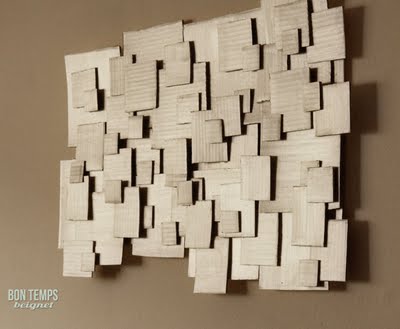


images taken from various sources for illustration only Make scrap wood wall coverings ideas
Thank you
Selling for free download woodworking software

Sunday, March 30, 2014
Beginner wood science fair projects guitars


Choice Wood working projects for the beginner


Above is a picture illustration Wood working projects for the beginner
See you
Selling for download free woodworking books
Saturday, March 29, 2014
Free diy woodworking plans bar


Thursday, March 6, 2014
An olio of ideas
*****
When I mentioned that I would be making a garden bench for tomorrows video, Jason Othoudt sent me over a picture of in indoor bench he built out of 2x4s, plywood, and box joints. Super cool design.

*****
Lucas Marques sent over a picture of his version of the guitar pick box made with Purpleheart.

*****
And heres one Dimitris Fragoulopoulos made for his brother.


Wednesday, March 5, 2014
an in depth look at wood contact dermatitis
After the field trip on Wednesday cuasious about dangerous wood I did some reaserch and this is what I found. Only 2% to 5% of the population will develop an allergic sensitivity to one or more compounds found in wood. Contact dermatitis (allergic reaction from skin contact) from timbers is usually attributable to contamination of the skin during machining. Handling of solid wood rarely induces dermatitis, however any species that contains quinones, especially Dalbergia species, may do so. "The main effect is irritation." (An irritant is "something that can cause inflammation" or irritation.) ..."This can be caused by skin contact with the wood, its dust, its bark, its sap, or even lichens growing on the bark. Irritation can, in some species of wood, lead to nettle rashes or irritant dermatitis. These effects tend to appear on the forearm, backs of the hands, the face (particularly eyelids) neck, scalp and the genitals. On average, they take 15 days to develop." Latency periods can range from a few hours to several months. "Symptoms usually only persist as long as the affected skin site remains in contact with the source of irritation... Symptoms subside when contact with the irritant is removed. Sensitization dermatitis is more problematic and is usually caused by skin exposure to fine wood dust of certain species." (Sensitization is "an allergic reaction to a substance which is usually irreversible" resulting in hypersensitivity and susceptibility to being overly responsive.) ..."This is also referred to as allergic contact dermatitis and results in similar skin effects to those produced by skin irritants. Once sensitized, the body sets up an allergic reaction, and the skin may react severely if subsequently exposed to very small amounts of the wood dust. Cross-sensitization may develop where other woods or even non-wood materials produce a similar response." The culprit behind these allergies is a group of chemicals called quinones, often used to make dyes. These naturally occurring chemicals are produced as defensive agents against fungal and predator attacks (including woodworkers and jewelry collectors). Though they also have potential medicinal uses in non-allergic humans, quinones play a major role in allergic contact dermatitis caused by plants. The primary "allergens are benzoquinones or naphthoquinones but also compounds, such as catechols, coumarins, and other phenolic or flavonoid compounds, which are bioconverted [metabolized] into ortho-quinones or para-quinones." These derivatives can covalently bond to skin proteins. Since they are not recognized by the immune system, they are attacked. Catechol is a main constituent of urushiol, which is the allergen in poison ivy. It is possible that once sensitized to one of these quinones that cross reactions to similar quinones and/or structures can develop. There are other hardwoods that are notorious for causing dangerous reactions (which may include surprisingly strong reactions such as cardiac and nervous system effects, cancer, and genotoxicity), such as: afromosia (Periocopsis elata), Australian blackwood (Acacia melanoxylon), greenheart (Chlorocardium rodiei), mansonia (Mansonia altissima), sassafras (Sassafras albidum), and satinwood (Chloroxylon swietenia), as well as various softwoods such as: cedar (Thuja spp.), hemlock(Tsuga spp.), pine (Pinus spp.), and yew (Taxus spp)
This information was found http://wiki.bmezine.com/index.php/Wood_Hazards
Jared A